Seizure MEA Assay Using hiPSC-Derived Neurons

Regulations regarding the testing of new drugs are changing. The FDA modernisation act endorses the use of new approach methodologies (NAMs) to assess a range of toxicities, including CNS liability which can negatively impact a drug’s probability of success.
iLA Seizure is a two part assay for the detection of seizure liability in early drug discovery. The assay comprises a panel of 15 ion channels and an assessment of potential seizurogenic compounds by microelectrode array.
Professor Ruth Roberts is lead author of this multi laboratory assessment of the detection of seizurogenic compounds
This poster from Mike Clements and his team from Axion Biosystems discusses establishing functional acceptance criteria for hiPSC-Neural MEA seizure liability assays
Dr Kimberley Rockley is lead author in publication of mechanism of action case studies
It is crucial to identify adverse events on the CNS early, as they tend to be commonplace in drug discovery.
A drug's probability of success, competitiveness and value can be negatively impacted by its influence on brain chemistry, particularly when it comes to the inhibition of neuronal ion channels and proteins.
Understanding the impact of a drug on neuronal function is key for those compounds that cross the blood brain barrier.
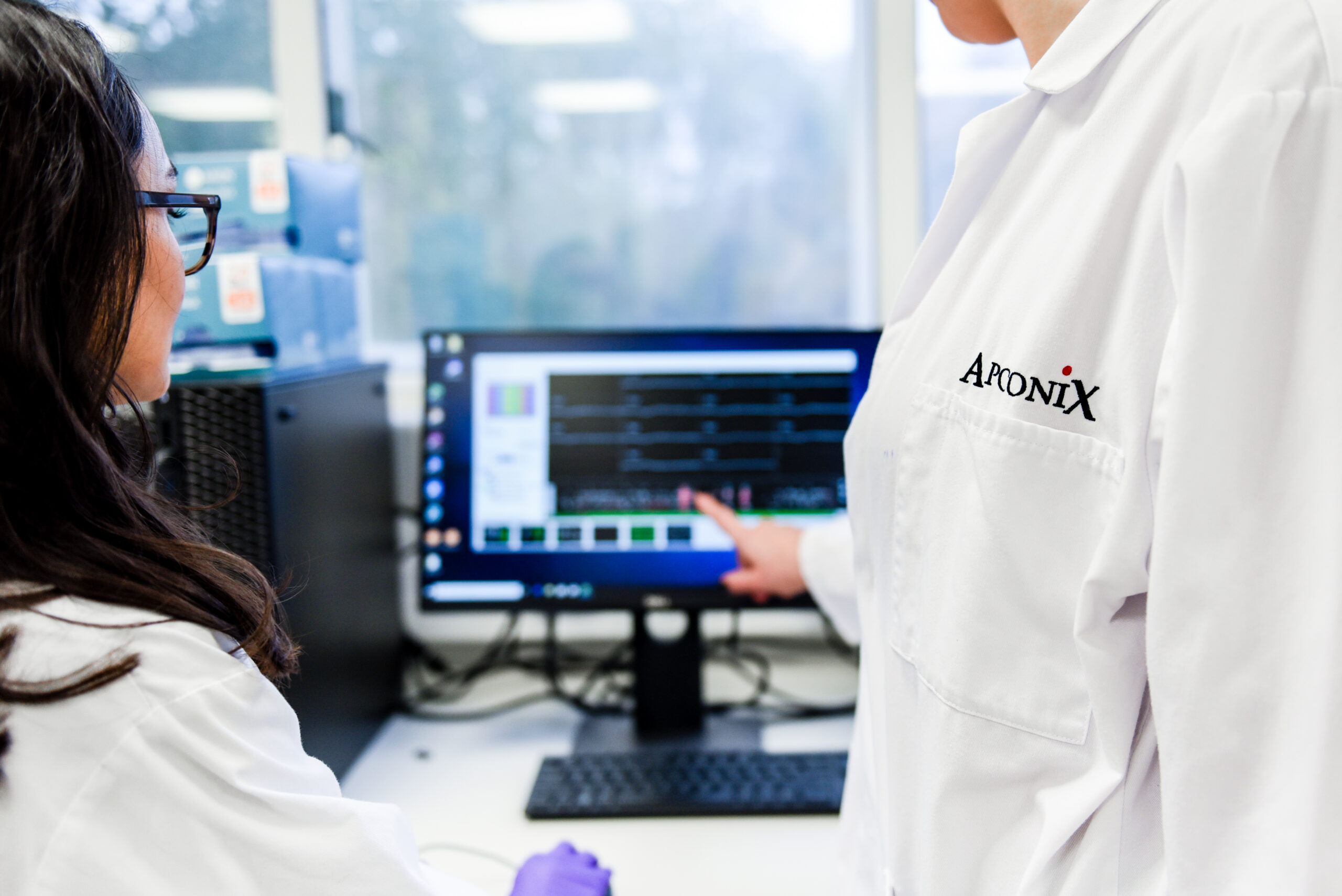
The hiPSC-MEA assay, developed by our team at ApconiX, can be used to assess changes in regulators of neuronal function, including in ion channel activity.
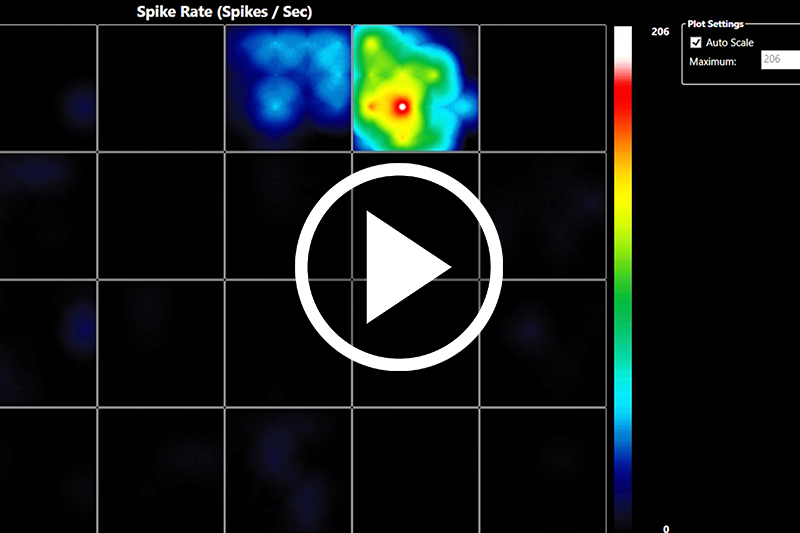
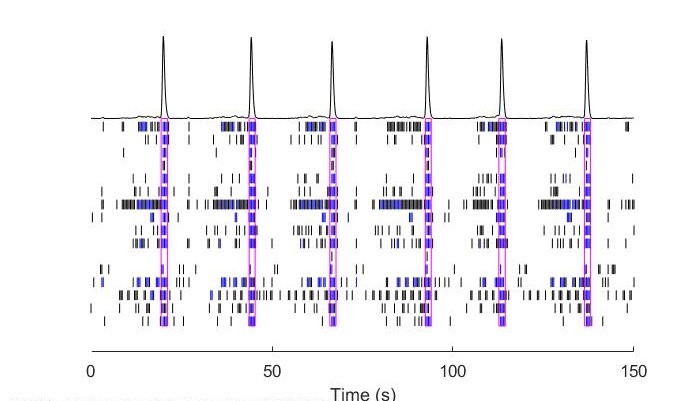
MEA video: This video shows synchronicity of action potential firing in
hiPSC-neuronal co-culture.
Our experts in ion channel electrophysiology and hiPSC–neuronal cell models at ApconiX will work with you to understand underlying biological mechanisms, evaluate risk, and determine the best drug candidates for the future.
How you will benefit:
- Expert, high-quality MEA analysis carried out by our hiPSC-neuronal cell model team
- Less reliance on animal studies (that may not translate to humans and are resource intensive) thanks to our high-throughput assays
- Tailored advice from our team of experts to help you determine how best to proceed
The services we offer:
- We use microelectrode array technology to assess electrical perturbations in a synchronous culture of hiSPC neurons including astrocytes, excitatory neurons, and inhibitory neurons
- A full assessment of the dose response of your compound as compared to our wide-ranging in-house data of negative and positive controls. This can be carried out at full-dose or at just one concentration depending on your particular need
What we need from you:
- We require 5mg of compound for seizure MEA screening
What you will receive:
- Our reports provide raster plots, histograms and a summary table for each compound to illustrate the overall change to cell activity (raster plots) and the % change to 12 parameters over the selected concentration range
- Compounds are usually tested over 5 concentrations; however studies can be designed to meet the project needs
- High quality data are generated using the Axion Biosystems Maestro Pro MEA system.
- The MEA experiment and data analysis takes about 7-8 weeks in total for 4 compounds
Identify unsafe compounds early (before resource intensive GLP toxicology studies), with our integrated approach. The hiPSC-MEA assay performed by experts at ApconiX can be used instead of ex vivo models, saving precious time and resources.