
Unusual Toxicity with a Protein Degrader Molecule
By Derek Lowe
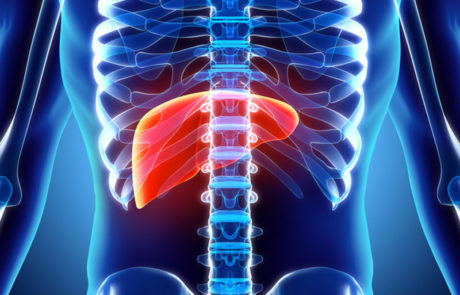
In this article, Lowe reflects on unexpected drug toxicity with the example of a bifunctional protein degrader molecule that ran into dog liver toxicity issues. The team found degeneration and outright necrosis in the large bile ducts more than small ones, but normal level of liver enzymes, with irreversible changes. Proteomic studies didn’t show any off-target degradation pathways, but instead showed increases in several proteins, including a vacuolar ATPase. Some questions regarding the cause of this unusual toxicity unfortunately remain unexplained.

The Consequences of Off-Target Binding Are Real. So Are the Solutions.
By Integral Molecular
Off-target binding doesn’t always cause harm—but when it goes undetected, the consequences can be serious. Published case studies document off-target interactions that caused adverse events in clinical trials, halted drug development programs, and may explain the known safety profiles of approved therapeutics. These cases also demonstrate that when off-targets are identified early, solutions exist: engineering fixes, informed go/no-go decisions, and cleaner IND filings.
Oncology Pharmaceuticals: Streamlined Nonclinical Safety Studies for Biologics and Conjugated Products
By the FDA
This draft guidance provides recommendations for general toxicology to assist sponsors in implementing streamlined approaches for nonclinical safety assessments of certain oncology pharmaceuticals. It is intended to facilitate drug development for biologics and conjugated products for the treatment of cancer while avoiding unnecessary animal use. This guidance has a primary focus on 3-month toxicology studies for certain oncology pharmaceuticals and supplements the ICH S9 guidances for industry.

Roadmap towards phasing out animal testing for chemical safety assessments
By the European Commission
This roadmap sets out the clear objective and concrete steps needed to transition from traditional animal testing methods to innovative non-animal approaches. At the same time, it maintains an unyielding commitment to preserve the integrity of safety evaluations, which ensure a high level of protection for human and animal health and the environment. Non-animal approaches must deliver a level of protection equivalent to that of currently established methods. The roadmap is accompanied by a Staff Working Document (SWD(2026) 144) that lays out in detail the evidence base supporting the proposed actions.

25 years of applying the 3Rs principles in safety pharmacology: success stories and future perspectives
By Derakhchan K et al.
This review provides a comprehensive overview of key milestones and innovations that have shaped the application of the 3Rs in safety pharmacology over the past 25 years. The review explores 3Rs-driven advances across core organ systems—cardiovascular, central nervous, and respiratory—as well as supplemental systems including gastrointestinal and renal. Furthermore, it examines the evolving global regulatory landscape and the emergence of new approach methodologies (NAMs), such as artificial intelligence tools and complex microphysiological systems (MPS), and their integration into drug development pipelines.

Covid-19 Vaccinations and the Heart
By Derek Lowe
A recent paper in JAMA Internal Medicine and a Stat News overview looking at the same data set in Covid-19 vaccinations in an older population show a significant reduction in both coronovirus-related and all-causes cardiovascular events in those patients and details the most likely explanation. The article defends the benefits of the vaccine over the risk of myocarditis side-effect observed in a small number of mRNA coronavirus vaccines patients, particularly young men, and argues that those vaccines not only keep people safe from severe viral infections but also help to keep elderly patients from dying of major cardiac events.

No Heart Cancer? There’s a Reason
By Derek Lowe
This article dissects a research article looking at the lack of cancer in the heart. The authors implanted cells from various tumour types in cardiac tissue and observed a lack of proliferation but showed that decreasing the mechanical load on the cardiac tissue allowed such tumours to take hold. Closer study of these tissues demonstrated that silencing the Nesprin-2 protein (involved in mechanotransduction signalling down to the nucleus) in tumour cells before those implantation experiments led to robust tumour growth even in contracting cardiac muscle.

Rethinking precision oncology drug development: AI and tumor biology for smarter therapeutic programs
By Labiotech
Despite decades of progress in oncology, the majority of cancer drugs that enter clinical trials never reach the market and the patients who need them most. Late-stage failure remains one of the most costly and persistent problems in drug development, and its roots often lie in insufficient understanding of tumor biology and poorly defined patient populations. A growing number of precision oncology companies are trying to change this by anchoring R&D in patient-relevant disease biology from the outset, using AI to integrate complex data and match the right therapeutic modality to the right target in the right patient group.

FDA/CDER/OND Experience with New Approach Methodologies (NAMs)
By Jia Yao et al.
The FDA, the CDER and the OND has continuously encouraged the submission of nonclinical tests utilizing NAMs and sponsor engagement with regulators to optimize NAM utility in supporting the safety and efficacy of new drugs. This article demonstrates how FDA/CDER has historically incorporated NAMs into standard nonclinical assessments and provides reviewer perspectives on NAMs submitted to support new drug development and the future of NAM incorporation into nonclinical development programs for new drugs. The authors share their hope to foster confidence in their continued efforts to encourage nonclinical test NAM submissions for regulatory decision-making.

Amid safety concerns, ADC Therapeutics plots 17% staff cuts to push resources behind Zynlonta
By Fraiser Kansteiner
In the wake of a recent safety scare in a confirmatory trial of its antibody-drug conjugate Zynlonta, ADC Therapeutics is tightening its belt in an effort to get the most out of its cancer med. The Swiss ADC specialist unveiled a reorganization scheme, which it said is designed to “focus resources behind key value-driving initiatives” that support its Zynlonta franchise. The move will lead to layoffs for around 17% of ADC Therapeutics’ global workforce, with the aim to achieve around $10 million a year in savings.

MHRA targets medicine safety with new AI sandbox
By Catherine Eckford
The Medicines and Healthcare products Regulatory Agency (MHRA) is launching a new initiative to establish how artificial intelligence (AI) can improve the safety of medicines and aid related decisions. The new regulatory ‘sandbox’ will provide companies and researchers with a controlled testing ground in which to test AI tools alongside regulators. Specifically, how the technology can improve the accuracy and safety assessment of medicines and better predict their risks and side effects.
Study of Yescarta patients reveals genetic red flags for CAR-T therapy side effects
By Darren Incorvaia
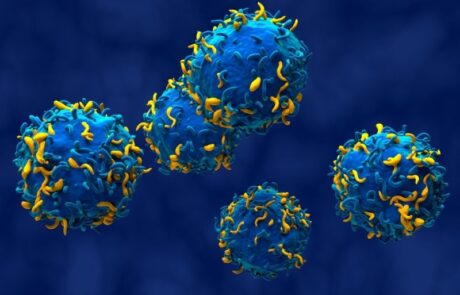
A new analysis of patients who took part in clinical trials for Kite Pharma’s CAR-T cell therapy Yescarta has revealed genetic signatures of toxicity risk, potentially providing a path forward for future CAR-Ts to be engineered to be safer. The researchers also singled out a gene that seems related to the ability of CAR-T cells to replicate inside the body, an area they are now exploring further. The results were published today in Science Immunology.