
CNS Safety Assessment in Drug Discovery
Central Nervous System (CNS) safety assessment is a mandatory aspect of preclinical safety in drug discovery. The primary goal of a CNS safety assessment is to identify potential adverse functional effects on the brain and spinal cord (CNS liability) before a drug candidate reaches clinical trials.
Why is the early assessment of CNS safety in drug discovery important?
Safety related issues, particularly cardiovascular and central nervous system (CNS) toxicity, are among the most common reasons drug development programmes fail between preclinical development and Phase IIb clinical studies. During clinical development, CNS liabilities are a leading cause of failure (Cook et al., 2014). CNS toxicity can therefore contribute to costly, late stage drug attrition.
It is for these reasons that early CNS liability assessment in drug discovery is critical for compound prioritisation, study design and follow up.

Take an integrated approach to CNS liability assessment with ApconiX
We have developed a range of integrated in vitro liability assays (iLASeizure®, iLACNS® and iLASedation®) to support drug induced CNS hazard identification and decision making in early drug discovery.
Our proprietary in vitro liability assays each utilise two core components:
- Functional cellular networks: human induced pluripotent stem cell (hiPSC) derived neurons cultured using microelectrode array (MEA) to record spontaneous electrical activity, synchronised bursting, and network patterns. This provides a non-invasive, direct, human relevant reading of seizure liability and neurotoxicity in a network of heterogenous neuronal cells
- Ion channel screening (ICS) panels: high throughput screening against a diverse panel of ion channel targets (e.g. GABA, NMDA and Na⁺/K⁺ channels) to identify off target activity using IC50 data
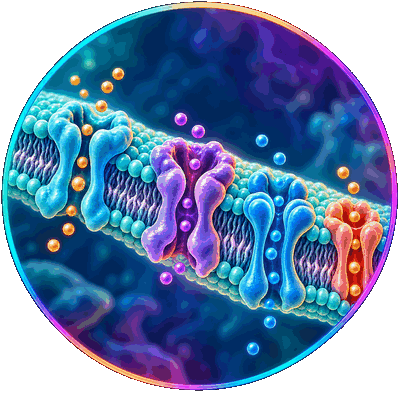
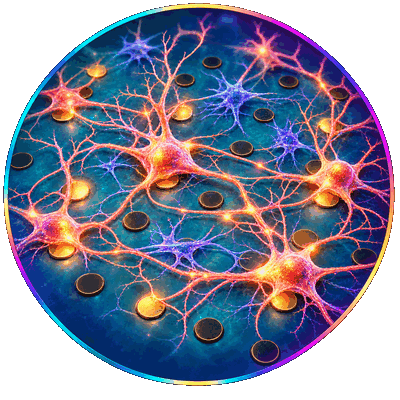
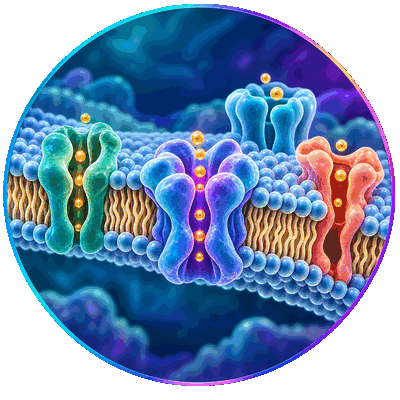
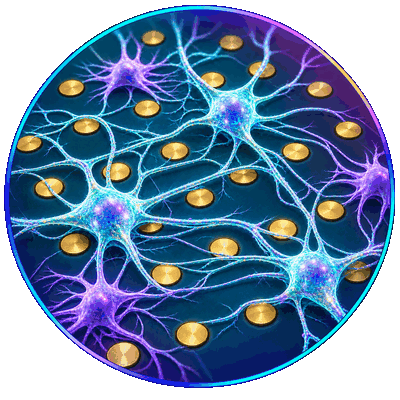
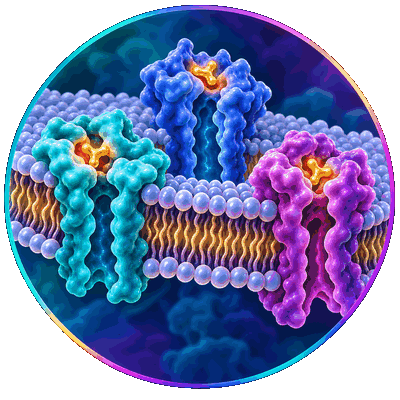
By integrating the results of both ion channel panels and MEA, ApconiX can connect target level screening with functional neuronal-network measurements for effective in vitro CNS safety assessment.
ApconiX – an industry leader for in vitro liability assessment
Our aim is to support organisations in bringing safe and effective drugs to market and advancing the science of drug safety.
Our in vitro Seizure Liability Assay (iLASeizure®) took 3 years to develop, was launched in 2022 and won the King’s Award for Enterprise for Innovation in 2025. Our active research continues, with the development of iLACNS®, iLASedation® for CNS safety assessment, and iLACardiac® for cardiac safety assessment.
To read more about iLASeizure®, see our recent, peer reviewed publication where, using illustrative case studies, where we demonstrate the power of using this New Approach Methodology (NAM) in the prediction of drug induced CNS toxicity before costly in vivo studies are carried out.


Which assay do I need? A comparison by project question and development stage
Unsure which of our CNS safety assessment services best suits your project’s need? Here, we break down how our assays can be used according to your project question and development stage.
- For early CNS liability screening: High throughput ion channel screening of our comprehensive panel of CNS associated ion channels performed by automated patch clamp. You can choose to screen all available ion channels (iLASeizure®), a subset of your choice, or select based on a particular liability, for example sedation (iLASedation®), headache, cognitive impairment and/or mood disturbance. MEA can also be used at this stage for example, to prioritise candidate compounds.
- For assessment of CNS liability in a neural network: measure real time electrical neuronal network activity using MEA. CNS liabilities, such as seizure or sedation are identified using observed changes in the pattern of functional parameters such as network burst frequency and duration. If your compound flagged a CNS liability during early ion channel screening, the resulting phenotypic risk can then be assessed using our MEA assay that takes account of the whole, living cell network not just an isolated cell.
- For mechanistic investigation: Understand the underlying biological mechanism of CNS toxicity, such as channel blocking or receptor antagonism by correlating ion channel inhibition profiles with MEA phenotypic network changes.
Our ion channel screening and MEA assays form part of a wider safety strategy that can be fully customised to suit your needs in the early identification of CNS liability.
How and when MEA and ICS studies can be combined, interpreted and translated into the next project decision
MEA, ICS, or both can be used in early CNS safety assessment. The table below summarises the relevant timing of these studies in the drug discovery pipeline, as well as describing their interpretation and relation to other aspects of CNS safety.
| Purpose of study | Suggested method(s) | Timing | Study interpretation and relation to other aspects of CNS safety |
|---|---|---|---|
| Initial identification of CNS liability |
|
Lead optimisation / generation | Used to replace (or perform before) primary rodent cell, zebrafish and hippocampal slice assays |
| Neuronal network confirmation |
|
GLP toxicology phase | Can be combined with the results from other preclinical species to assess true applicability of any CNS toxicity to human using a Weight of Evidence (WoE) approach |
| Mechanistic investigation |
|
GLP toxicology phase | Can be combined with the results from other preclinical species and WoE to problem solve any observed CNS toxicity |
Turnaround, compound needs and deliverables at a glance
Whilst every CNS Safety Assessment performed by ApconiX is unique, these are the typical turnaround times, compound needs and deliverables for our ion channel panels and MEA:
| Service | Turnaround time | Compound needs | Deliverables |
|---|---|---|---|
| Ion channel panel | 14 days from when we receive your compound | 2–3 mg of candidate compound |
|
| MEA | 6–8 weeks for 1–4 compounds | 5 mg of candidate compound |
|
Who designs and interprets the CNS safety assessment?
Our ApconiX CNS safety experts can support you in making the best decision when it comes to candidate compounds and project strategy:
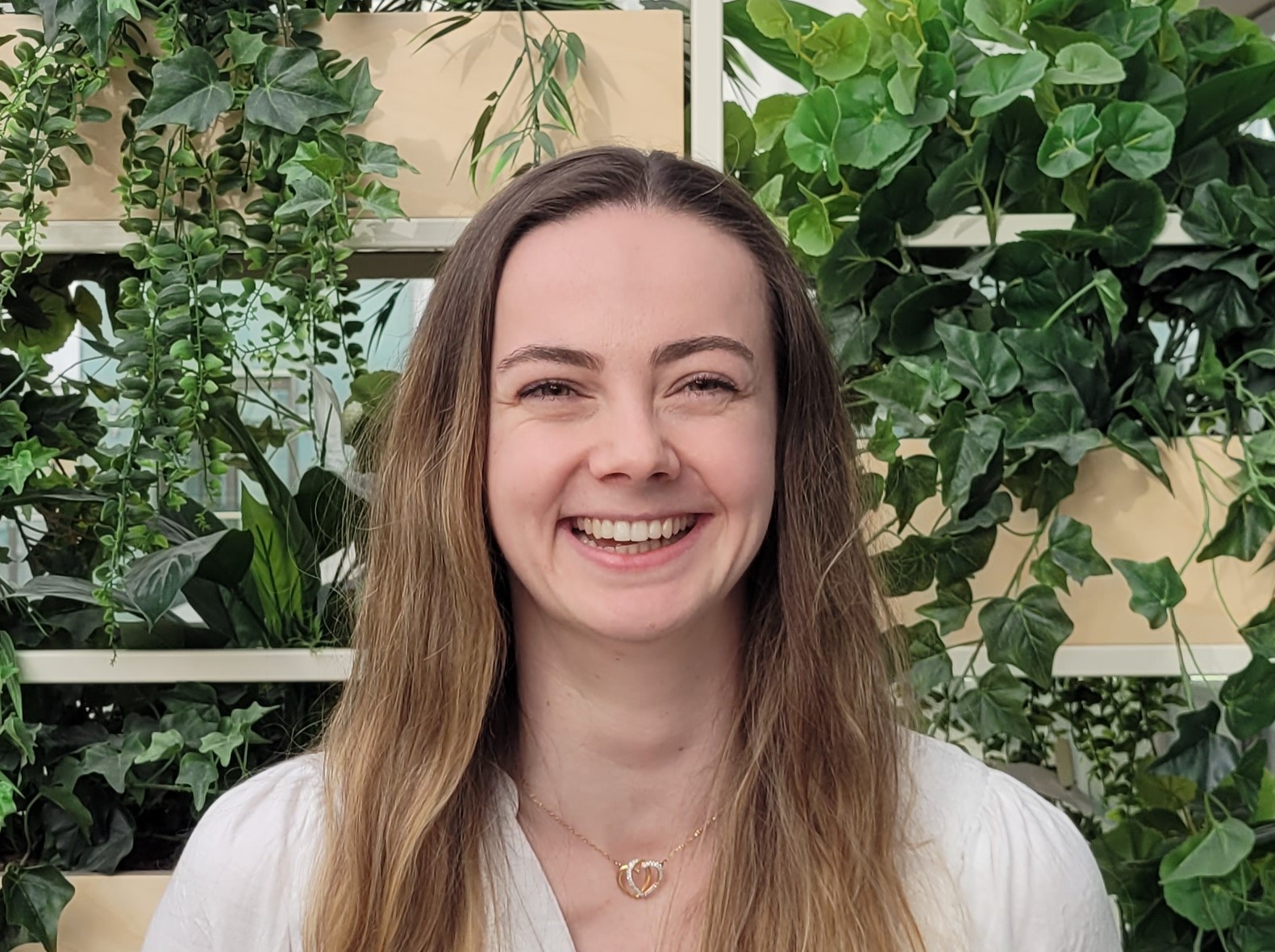
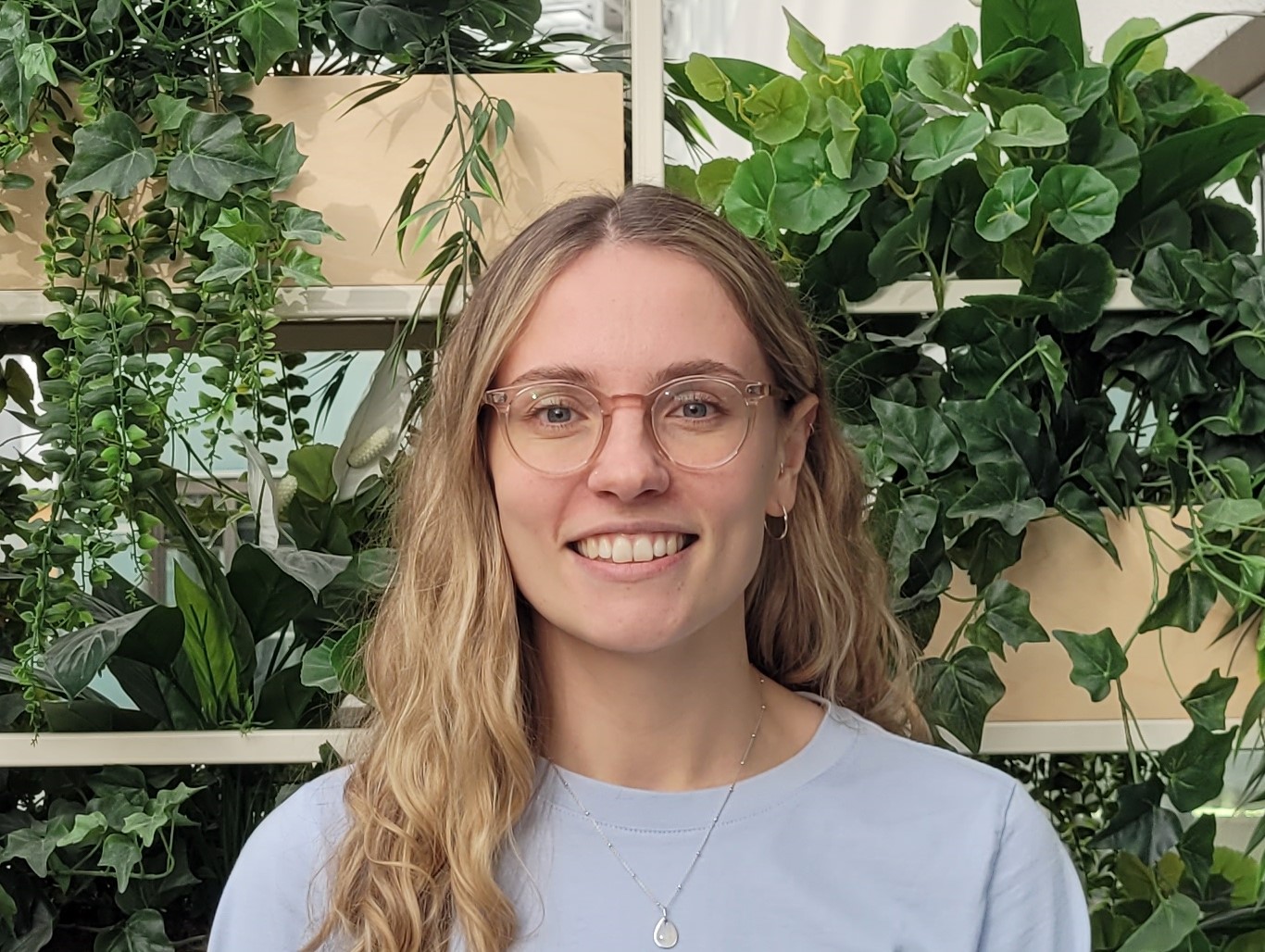
- Michael Morton (PhD): electrophysiology lab lead. An ApconiX cofounder, Mike is an expert in electrophysiology and ion channel biology and has extensive experience in both academia and industry.
- Kimberly Rockley (PhD): developer of our proprietary in vitro seizure liability assay (iLASeizure®) for which she was awarded the BioNow Rising Star Award. Kim leads our MEA CNS hiPSC methods team.
- Louisa Zolkiewski (PhD) optimises our preclinical screening capabilities and our safety assays. Louisa also leads our cutting edge research on the identification of Structure Activity Relationships (SAR) underlying neural toxicities.
- Katie Newman (PhD): is working on further optimising our MEA seizure assay and its translation by utilising her extensive expertise in neuroscience. Katie runs much of our CNS MEA client work.


FAQs
Reviewed by: Dr Michael Morton on: 13/10/26