
Building a predictive structure activity relationship (SAR) tool to mitigate ion channel related central nervous system (CNS) liability in novel compounds
Central nervous system (CNS) liabilities, which occur frequently in drug discovery, remain a significant cause of late stage drug attrition. The fall out of promising drug candidates, especially when it happens later in the critical path, costs developers substantial money and resources. Unfortunately, current screening methods for CNS liability are somewhat limited in terms of their throughput capacity and translational relevance.
Read our Toxicological Sciences’ paper.
Read our article published in Drug Discovery World.
Here’s how we’re working to solve this problem at ApconiX:
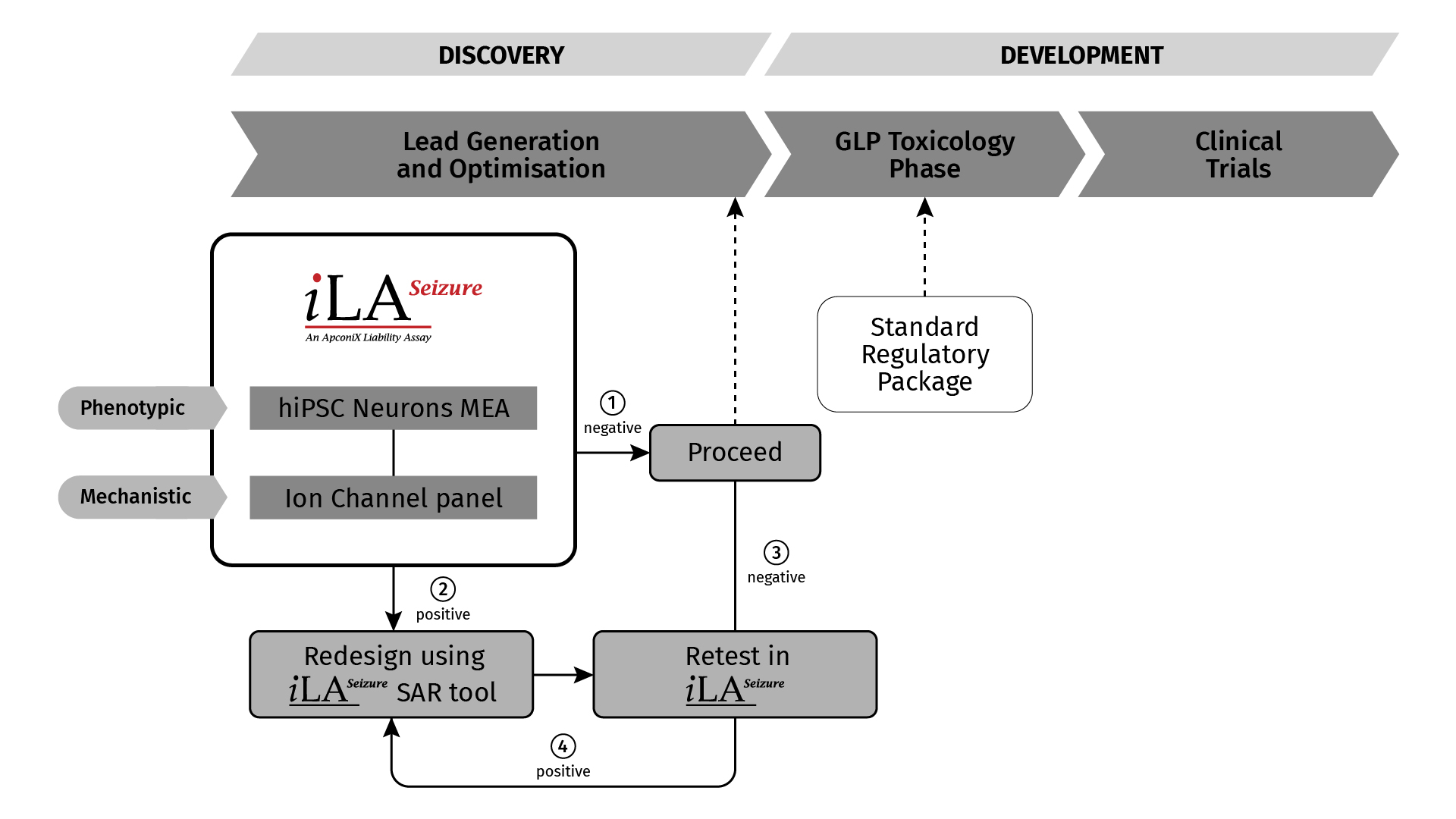
- Our previously published in vitro seizure liability assay (iLA Seizure ) can already detect whether a candidate drug is likely to cause seizure based on an in vitro assay of 14 relevant ion channels.
- This study goes further: it demonstrates how structure activity relationships (SAR) associated with drug induced CNS toxicity can be reliably determined in vitro.
- We aim to build on these initial results by building a high throughput SAR predictive tool for mitigation of CNS liability much earlier on in the discovery pipeline.
Methodology:
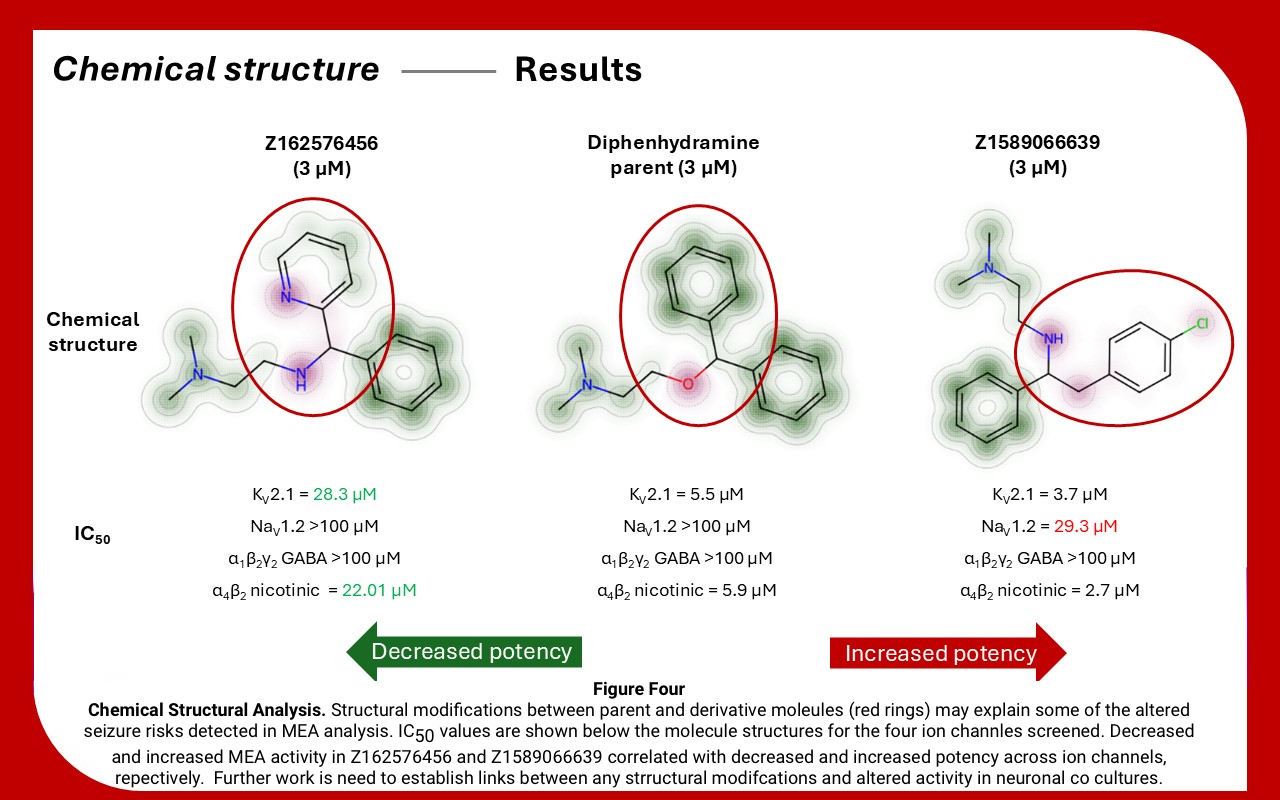
- 88 compounds (consisting of 78 derivatives and 10 parents) were screened against human ion channels KV2.1, NaV1.2, and the α1β2γ2 GABAA and α4β2 nicotinic receptors using automated patch clamp electrophysiology.
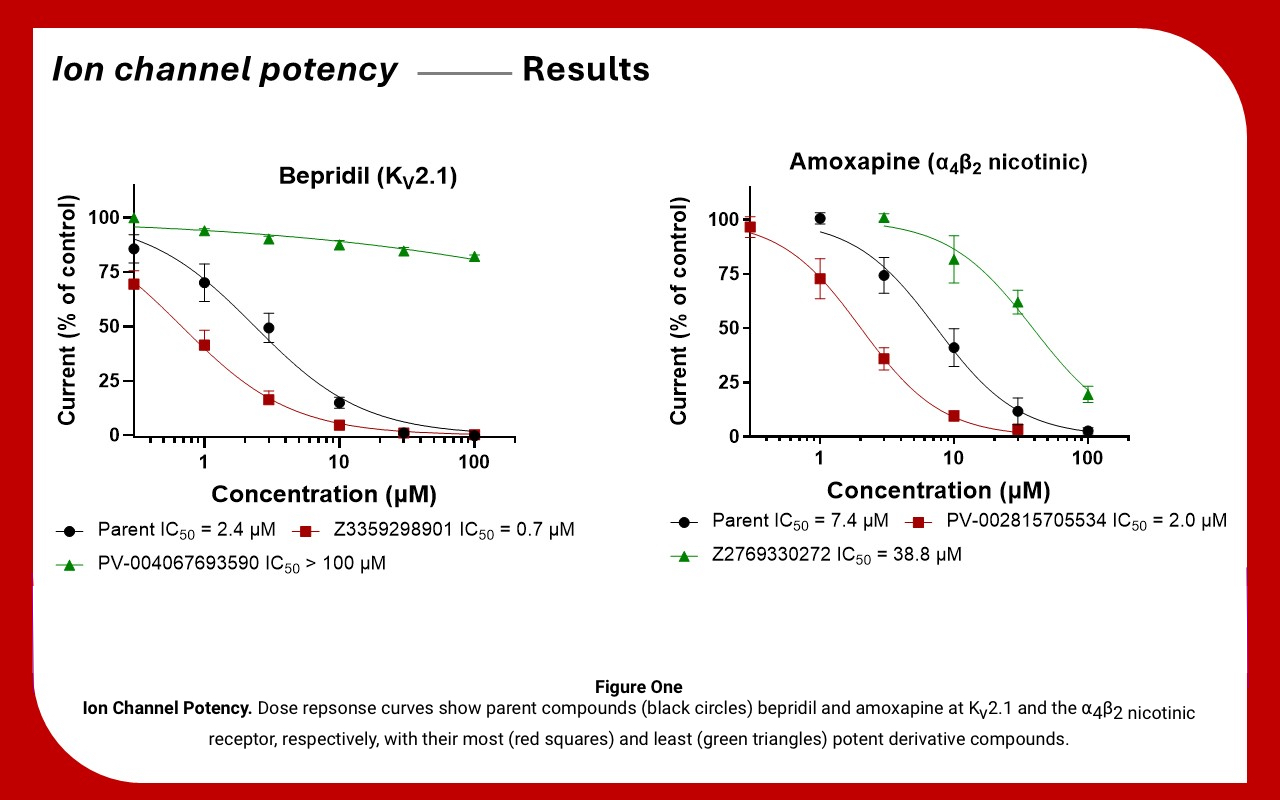
- Potency data were calculated for each compound using IC 50 values generated from dose response curves.
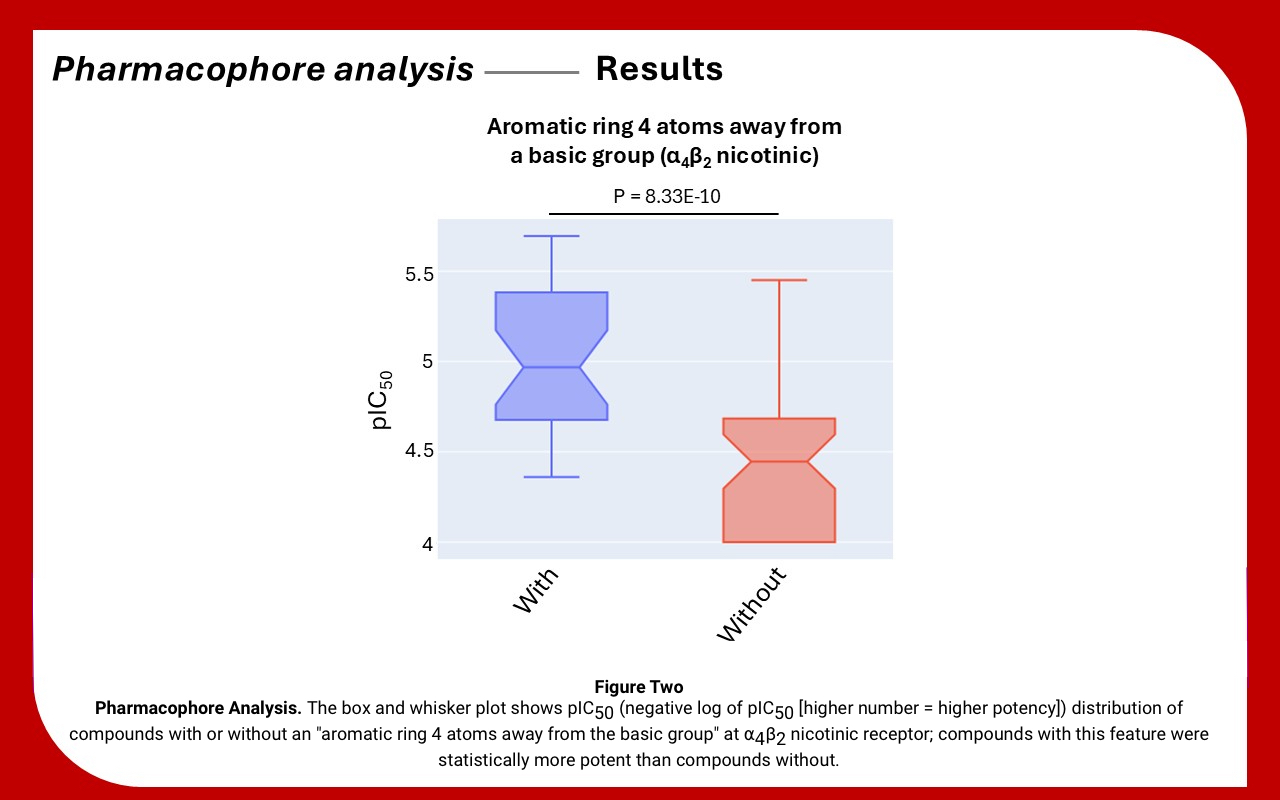
- Pharmacophore features associated with changes in ion channel activity were determined by statistical analysis.
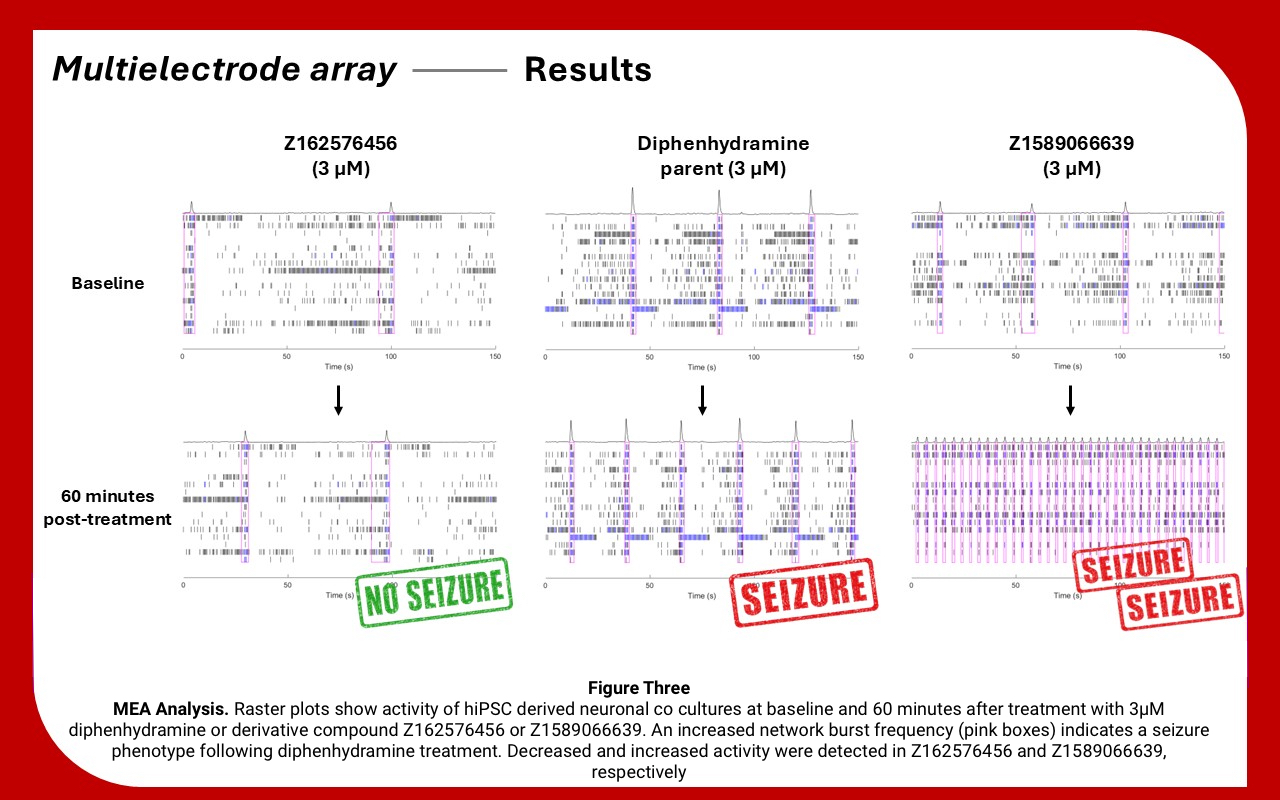
- Altered ion channel activity for selected compounds was then confirmed using multielectrode array analysis in human-induced pluripotent stem cell (hiPSC) derived neurons.


Key findings:
- Chemical modification of parent drug compounds resulted in changes in potency for KV2.1 and α4β2 nicotinic receptor ion channels.
- Subsequent SAR analysis showed the presence of four statistically significant pharmacophore (the structural features of a compound that are essential to its biological activity) features associated with altered drug potency for both of these ion channels.
- Multielectrode array analysis (MEA) hiPSC derived neurons demonstrated that this change in potency translates into a change in activity at the cellular level for drug compounds tested.
Implications for drug discovery:
- This proof of concept study demonstrates that chemical features associated with seizure liability can be identified, in vitro, early in the drug discovery process. It is the first SAR study focussing on safety pharmacology for seizure-related ion channels to be reported.
- Early identification and understanding of SAR associated with seizure toxicity provides a crucial opportunity for medicinal chemists to ‘design out’ seizure liability before nonclinical trials begin.
- This SAR based approach has a proven track record in the area of cardiac safety, where human Ether à go go Related Gene (hERG) liabilities have been significantly reduced.
- We are working towards providing a high throughput, combined in vitro and in silico method to both determine and resolve potential CNS liabilities during the lead generation/optimisation stage, saving drug developers critical time and resources.