
Weight of Evidence (WoE) Approach
The requirements from regulatory bodies on drug safety assessment are evolving. A key example of this is the weight of evidence (WoE) approach, which, rather than relying on data from a one study, can be used to evaluate the safety of novel drugs by combining data from different sources. Conducting a WoE assessment should form a critical part of your drug development pipeline, as an approved WoE assessment has numerous benefits: in terms of compliance, timing of your critical path and use of resources. At ApconiX, we have expertise in creating structured weight of evidence packages not only for carcinogenicity assessment, but for Developmental and Reproductive Toxicology (DART) and paediatric safety studies — all in line with current ICH guidelines.


How our experts can help you build a successful WoE case:
- An initial assessment carried out by our Safety Science Group and consultant toxicologists will determine the best available evidence and timeline for completion of your WoE assessment.
- A specialist review of the available literature and data will be undertaken to assess the target biology of your novel drug. This can be delivered as a stand-alone option or as part of the wider WoE assessment.
- The evaluation of other relevant factors, including on hormonal regulation, cellular DNA, immune modulation, and histopathology and ‘off target’ effects will be carried out by our expert team of pathologists and regulatory toxicologists.
- After extensive collaboration with you, we will provide an expertly curated, bespoke, and fully integrated WoE assessment report — and an opportunity to streamline your critical path.
Testimonial – “We just received FDA feedback and got the two year carcinogenicity study waiver. Congratulations and a big thank-you to ApconiX”
VP, Head of Nonclinical Safety, US Mid-size Biotech
Our WoE Scientists
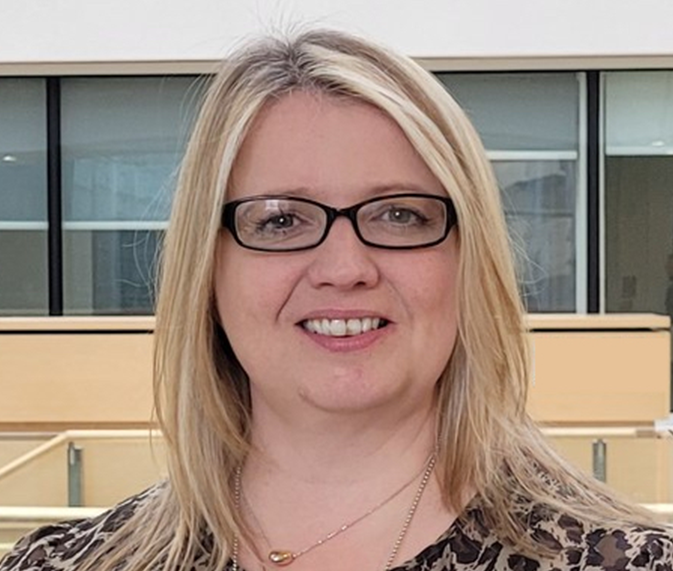
Dr Helen Garside
Helen has over 15 years of experience in the pharmaceutical industry focused on predictive and mechanistic toxicology. Before this, Helen was awarded her PhD that focussed on the role of glucocorticoid receptors in asthma cell biology (BBSRC iCASE Studentship, University of Manchester and GlaxoSmithKline). Here at ApconiX, Helen works as a Senior Toxicologist in the Safety Science Group. She is responsible for the development of target and modality safety assessments across a broad range of disease areas and contributes to carcinogenicity Weight of Evidence (WoE) assessments.
Dr Nicholas Coltman
Nicholas Coltman completed his PhD in vitro pre-clinical toxicological research through a BBSRC iCASE Scholarship at the University of Birmingham. Nicholas has extensive industrial experience, having previously worked as a scientist for both Harlan Laboratories and Sygnature Discovery. Now at ApconiX, Nicholas is the Deputy Head of Safety Science and provides support across multiple industries — for both discovery and regulatory toxicology. Nicholas enjoys translating toxicological mechanisms and DMPK into human-relevant results for risk assessment — particularly for genotoxicity, hepatotoxicity, and DART. He leads a multidisciplinary team of safety scientists and developing toxicologists and has a strong track record in mechanistic safety assessment, scientific risk evaluation and client-focused consultancy.
Dr James Sidaway
James is an experienced and innovative toxicologist, having worked for over 20 years in the pharmaceutical industry with AstraZeneca and as an independent consultant. As a molecular-investigative toxicologist, he helped resolve safety issues for a wide range of drug discovery and development projects across the major therapy areas. He has also developed advanced in vitro models for organ toxicity screening, pioneered the application of novel technology and informatics platforms and has a strong track record of delivering Target Safety Assessments (TSAs).
James leads our rapidly growing Safety Science Group that delivers Acuity TSAs and related data-oriented toxicology services and products. He enjoys developing team expertise and bringing new and diverse skillsets and capabilities to the fold, including in data science. James is a member of the HESI Working Group for the Safety of Targeted Protein Degraders and regularly publishes in peer-reviewed journals, including a 2026 article in Nature Reviews Drug Discovery.
Dr. Manuela La Montagna
Dr. Manuela La Montagna joins ApconiX’s Safety Science Group as a Senior Scientist, authoring Target Safety Assessments with Dr. Helen Garside. Her expertise in drug discovery, oncology, and safety mechanistics strengthens ApconiX’s carcinogenicity assessments. Manuela earned her BSc in General and Applied Biology from the University of Naples Federico II and her MSc in Molecular Biology from VU University of Amsterdam. She completed her PhD at Cancer Research UK Institute in Manchester, researching AMPKα in non-small cell lung cancer using CRISPR-engineered models and RNA-Seq analysis. At Redx Pharma, she progressed from early oncology and fibrosis drug discovery to translational work on late-stage clinical projects, developing a mitochondrial toxicity assay and leading biomarker strategies.
Dr Sean Hammond
Sean is the Immunotoxicology Lead at ApconiX, and is involved in the identification and mitigation of immune safety issues at all stages of drug development. He has discovery, project and investigative toxicology experience across multiple drug modalities including small molecules, biologicals and advanced/novel therapies, and is an expert in delivering project and drug pipeline strategies. His areas of specialty are IO agents, novel/challenging modalities, immunogenicity and hypersensitivity reactions. He is also as an Honorary Senior Lecturer at the University of Liverpool where he conceptualises and supervises immunotoxicology research.
Dr Anna Westlind-Johnsson
Dr Anna Westlind-Johnsson joins ApconiX as a Project Toxicologist in Regulatory Toxicology within the Toxicology and DMPK Consultancy Team. With more than 15 years of experience at AstraZeneca, Anna delivers toxicology support to clients’ drug projects, provides strategic and pragmatic advice, plans and executes toxicology programs, and supports health authority interactions. She has contributed to multiple health authority interactions in several territories including FDA, EMA, MHRA and PMDA. Her experience also includes senior roles at Swedish health authorities, giving her a unique perspective on benefit-risk assessment.


Dr Amy Shepherd
Amy holds a PhD and Masters in Immunology and Cardiovascular science from the University of Sheffield. An experienced Immunologist with 10 years’ experience in non-clinical and clinical safety programme design for both biologic and small molecule compounds, Amy has led cross functional drug development teams globally within a large CRO. She has a strong reputation for building client relationships and managing projects and combines a passion for pharmaceutical development and fostering collaborative relationships.
Dr Jane Stewart
Jane is a senior toxicologist with world leading expertise in reproductive toxicology and the safety assessment of pharmaceuticals. Jane is renowned for her expertise in problem solving for general and reproductive toxicology as well as in the investigation of endocrine effects and carcinogenesis. Jane has authored numerous pregnancy labels and has helped draft international testing guidelines for pharmaceuticals. Jane is a PhD qualified veterinarian with a degree in pathological sciences. Jane is known for her analytical mindset and ability to identify and resolve key issues.
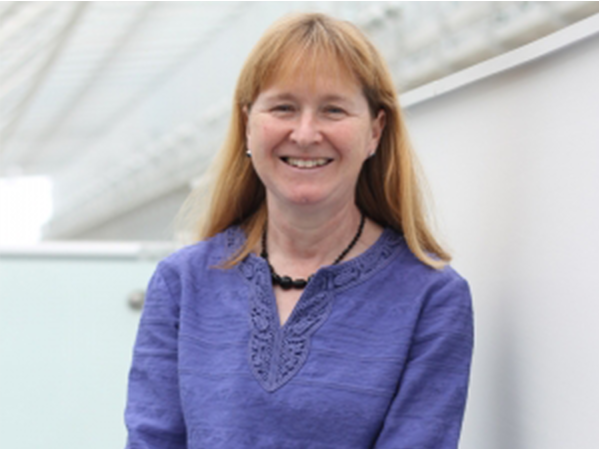
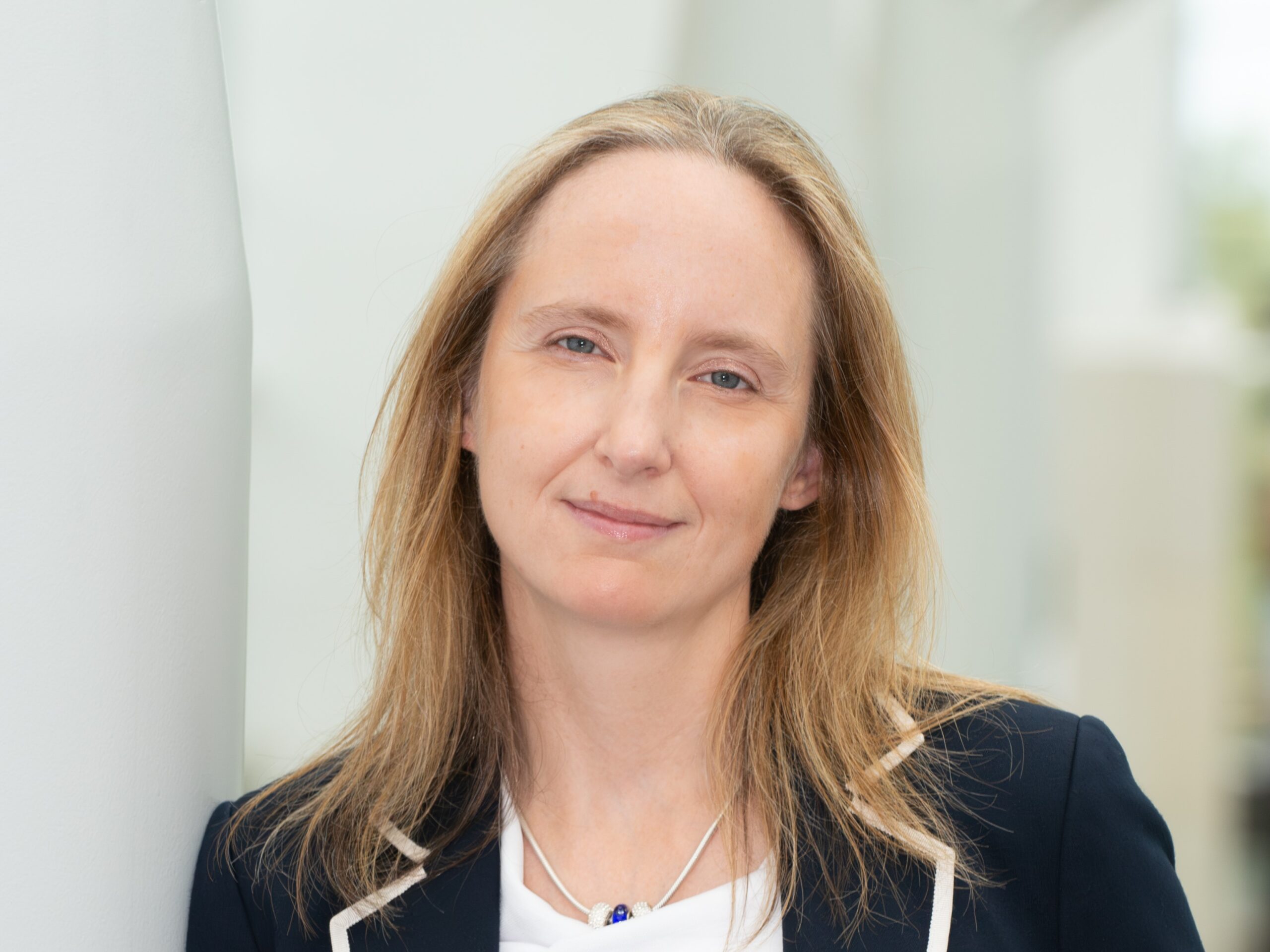
Dr Jo Kilgour
Jo Kilgour is an expert Inhalation Toxicologist, having worked in the field for 30 years, initially working in the agrochemicals and chemicals sector at Central Toxicology Laboratory as a Study Director and Project Toxicologist, and for the last 20 years working almost exclusively in inhaled drug development, formerly at AstraZeneca.
Jo works with small and large Pharma companies worldwide to deliver toxicology programs for small molecules and biologics to support First in Human studies (Phase 1) through to Phase 3 clinical trials and registration. She has represented clients in interactions with Regulators in Europe and the US, and worked on drugs (small and large molecule) targeting many therapeutic areas including COPD, asthma, cystic fibrosis, idiopathic pulmonary fibrosis and anti-virals.
Jo has been an active member of the British Toxicology Society and the Association of Inhalation Toxicologists, Chairing the latter since 2011. She has co-authored a number of pivotal papers under the banner of the AIT and Industry Consortia, and has been an invited expert speaker at a number institutions and events including the US FDA, the European Chemicals Agency (EChA) and the University of Birmingham.
Dr Richard Haworth
Richard is the Founder and Director of RosettaPath, a science-based pathology consultancy providing research and toxicologic pathology expertise for biotech, pharmaceutical, contract research organisations and software vendors. He has a keen interest in assessing the translational relevance and predictivity of nonclinical models for both efficacy and safety endpoints to enable effective decision making within medicine development projects. He has developed expertise in contributing to weight of evidence documents to assess the human carcinogenic potential of pharmaceuticals as enabled by ICHS1B (R1). Richard was formerly Chair of the Non-Clinical Carcinogenicity Panel with GSK and also has contributed as a Member of the Committee On Carcinogenicity Of Chemicals In Food, Consumer Products And The Environment (COC). This committee advises the UK government and government agencies on whether substances are likely to cause cancer.
Prior to RosettaPath, Richard led the Global Pathology team within Clinical Pharmacology & Safety Sciences at AstraZeneca which provides pathology expertise to assess nonclinical efficacy and safety of projects across a range of therapeutic modalities and diverse disease indications.
Richard qualified in Veterinary medicine from the University of Cambridge, completed a DPhil at Oxford in experimental pathology and immunology, was Head of the UK Pathology department at GSK from 2014 to 2022 and is board certified in pathology (FRCPath, DipECVP) and toxicology (DABT). He is a Fellow of the International Academy of Toxicologic Pathology.d the organisation alike.


Andrew Walker
Andrew Walker is an Independent Regulatory Medical Writer with a broad knowledge of regulatory documentation and a focus on high-quality delivery to agreed timelines. He has experience of project management and leading large teams in time-critical submission work. He is also a leader of process development and innovation in the field of design, interpretation and reporting of clinical programs. Experienced in the development and delivery of global training programs and supporting documentation for new processes and capabilities.