hiPSC microelectrode array (MEA) assay for sedation

ApconiX’s Sedation MEA Assay uses a co-culture of human induced pluripotent stem cell (hiPSC)-derived excitatory and inhibitory neurons and astrocytes to assess compound-related changes in neuronal network activity. Using microelectrode array technology, the assay provides functional evidence to support early investigation of potential sedation liability and inform compound selection or further CNS safety assessment.
Why Assess Potential Sedation Liability?
Sedation and fatigue are common adverse effects during late stages of drug discovery and development. These signs are often missed during in vivo studies, which can hinder the progress and probability of success of new drug candidates. Our diverse team includes experts in hiPSC-neuronal cell models, ion channel electrophysiology and project toxicology, who will help you determine the best candidates to take forward by helping you to understand the underlying mechanism of action and associated risk of a drug.
Benefits of the Sedation MEA Assay:
- Expert MEA analysis from the ApconiX hiPSC-neuronal specialists
- Cost savings from needing fewer expensive animal studies (whose results don’t always translate accurately to human) with our high-throughput assays
- ApconiX expertise always on hand to cater for your specific process needs and advise you on future steps


Example Sedation MEA Data
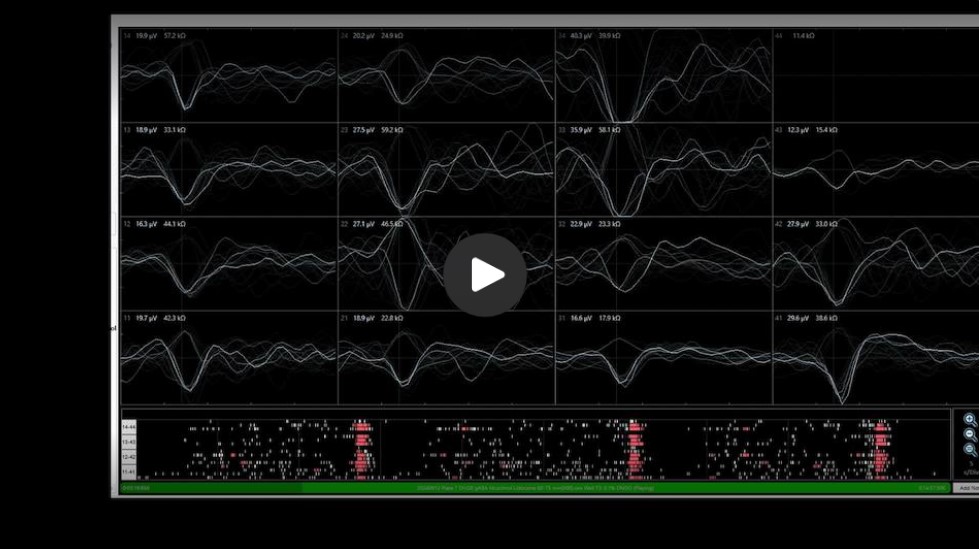
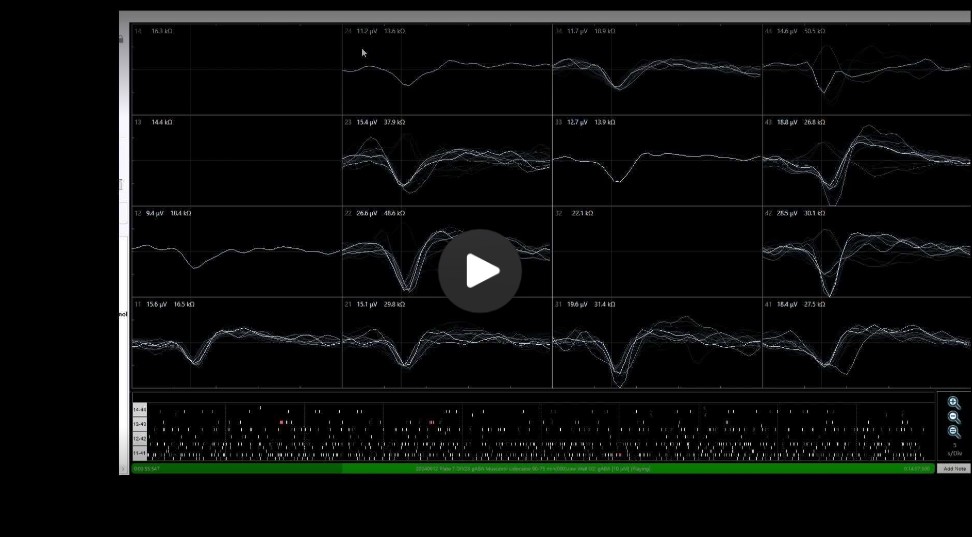
Moving Raster Plot with Sedative Compound
Sedation MEA Assay Format and Study Options
Assay format:
- Assessment of electrical perturbations in a synchronous co-culture of hiPSC-derived excitatory and inhibitory neurons with astrocytes using microelectrode array technology.
- Studies are performed using the Axion BioSystems Maestro Pro system to generate high-quality MEA data.
- The assay format is flexible. We can test a full or partial dose–response, or a single concentration, according to your project requirements.
- Compound results are contextualised against our extensive in-house dataset of positive and negative control compounds and interpreted by ApconiX scientists.
Sedation MEA Study Requirements and Deliverables
What we need from you:
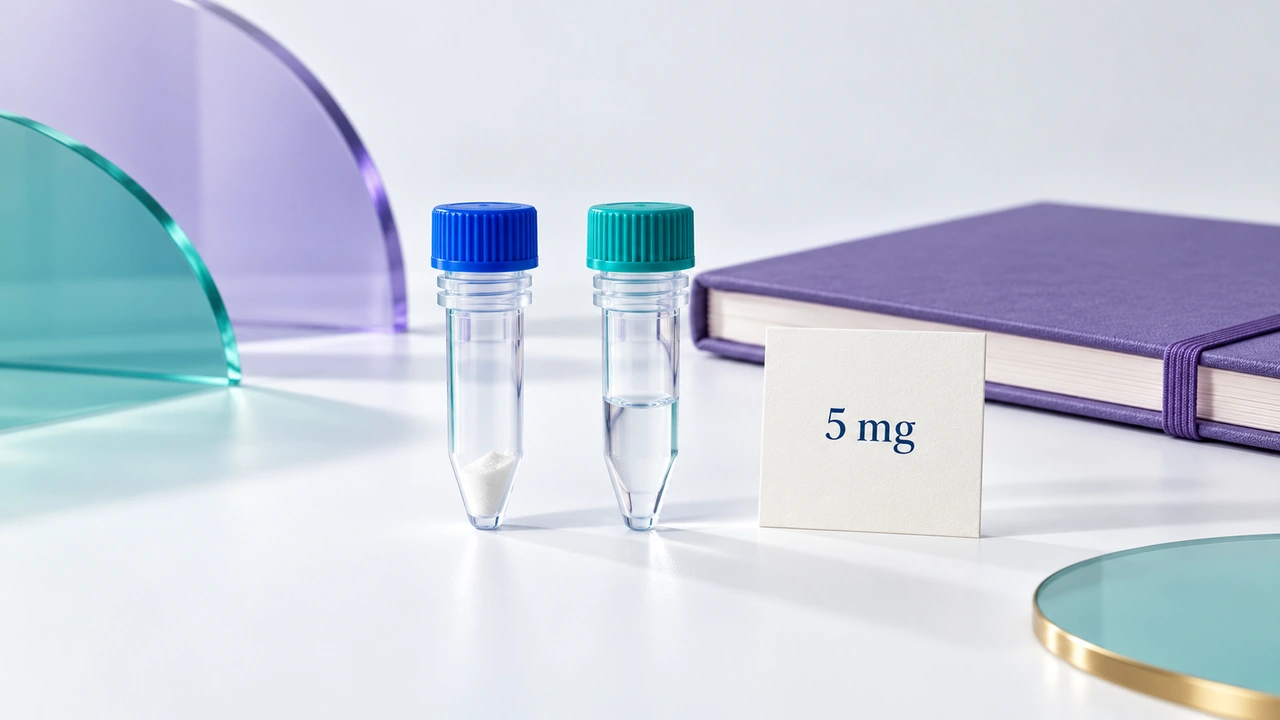
The Sedation MEA assay can be performed with as little as 5 mg of compound, supplied either as a solid or in solution.
What you will receive:
A comprehensive report summarising compound activity, including:
- Raster plots of neuronal activity
- Histograms
- The percentage change in activity relative to baseline across 12 parameters
- Expert interpretation of the results
Turnaround time:
For a four-compound study, reports are typically delivered in approximately 7–8 weeks, allowing for hiPSC-neuronal culture and data analysis.
At ApconiX, we use the hiPSC-MEA assay as part of a wider strategy that aims to supersede existing ex vivo models. An approach such as this can help drug developers identify safety liabilities early on — before costly GLP toxicology studies — saving precious time and resources.