
In Silico Cardiac Safety Modelling
Transform ion channel IC50 values into mechanistic pro-arrhythmia risk assessments to inform clinical development.
Traditional cardiac safety assessment relied on hERG (IKr) screening which can result in false alarms and misses real risks. In silico modelling addresses this by integrating effects across several cardiac ion channels into validated human ventricular myocyte models.
In silico modelling can transform ion channel IC50 data into mechanistic risk predictions by calculating biomarkers for Torsades de Pointes risk (Figure 1) including qNet (defined as total net charge during one cycle length) and APD90 (action potential duration). This approach is aligned with the 2022 ICH E14/S7B Q&A which recognised the use of in silico models as an optional follow-up tool for TdP risk characterisation and animal reduction under 3R principles.
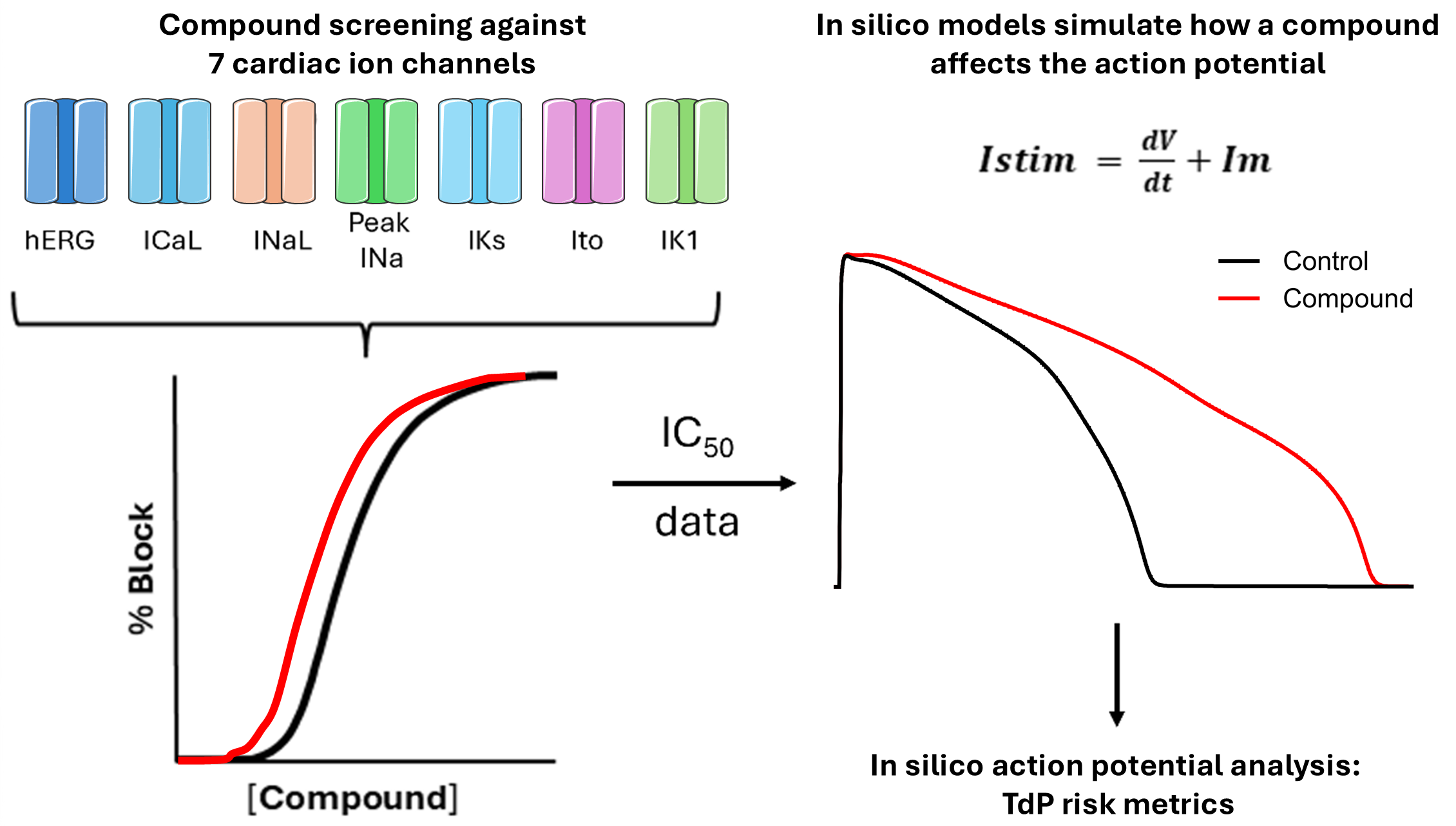
Figure 1: In silico simulations, use ion channel IC50 data as input to simulate a compounds effect on the cardiac action potential and predict TdP risk.

Benefits of early in silico cardiac screening:
- No extra lab work – simulations can use existing IC50 data as input.
- Reduces compound attrition – avoids false positives from hERG-centric screening
- Flags risks early in development - before expensive in vivo or clinical work
- Supports 3Rs - reduces animal cardiac studies
- Dose-dependent risk assessment - simulations across a full concentration range.
In silico simulations can predict TdP risk
In silico simulations capture critical multi-channel interactions that single-channel screening cannot reveal. Balanced ion channel‐blocking of ICaL and INaL can offset hERG-mediated reductions in repolarizing current, reducing proarrhythmic risk despite IKr block. In other words, blocking one channel can counteract the effects of blocking another and reduce TtP risk. This mechanistic, multi-channel approach integrated with in silico cardiac models provides improved TdP prediction compared to hERG assessment alone.
For example, Verapamil, which blocks calcium ion channels, has low TdP risk despite also blocking hERG channels (Figure 2). By simulating how compounds affect the balance of inward and outward ionic currents, in silico models provide mechanistic insight into why some hERG blockers remain clinically safe while others cause dangerous arrhythmias.
Early assessment and comparison to established compounds
ApconiX in silico reports compare client compounds to a range of drugs with established risk profiles at their clinical Cmax (Figure 2 &3), enabling detection of proarrhythmic liabilities early. Representative traces of the simulated cardiac action potentials are provided for all reference drugs and client compounds (Figure 2). Metrics that predict a compounds TdP risk, including qNet and APD90 (action potential duration), are also provided through analysis of the simulated action potentials (Figure 3).
In silico models enable detection of proarrhythmic liabilities early in development. Additionally, in silico modelling provides a concentration-dependent risk profile across a wide range of exposures, allowing programmes to understand not just whether a compound poses a level risk, but at what concentration that risk becomes relevant.
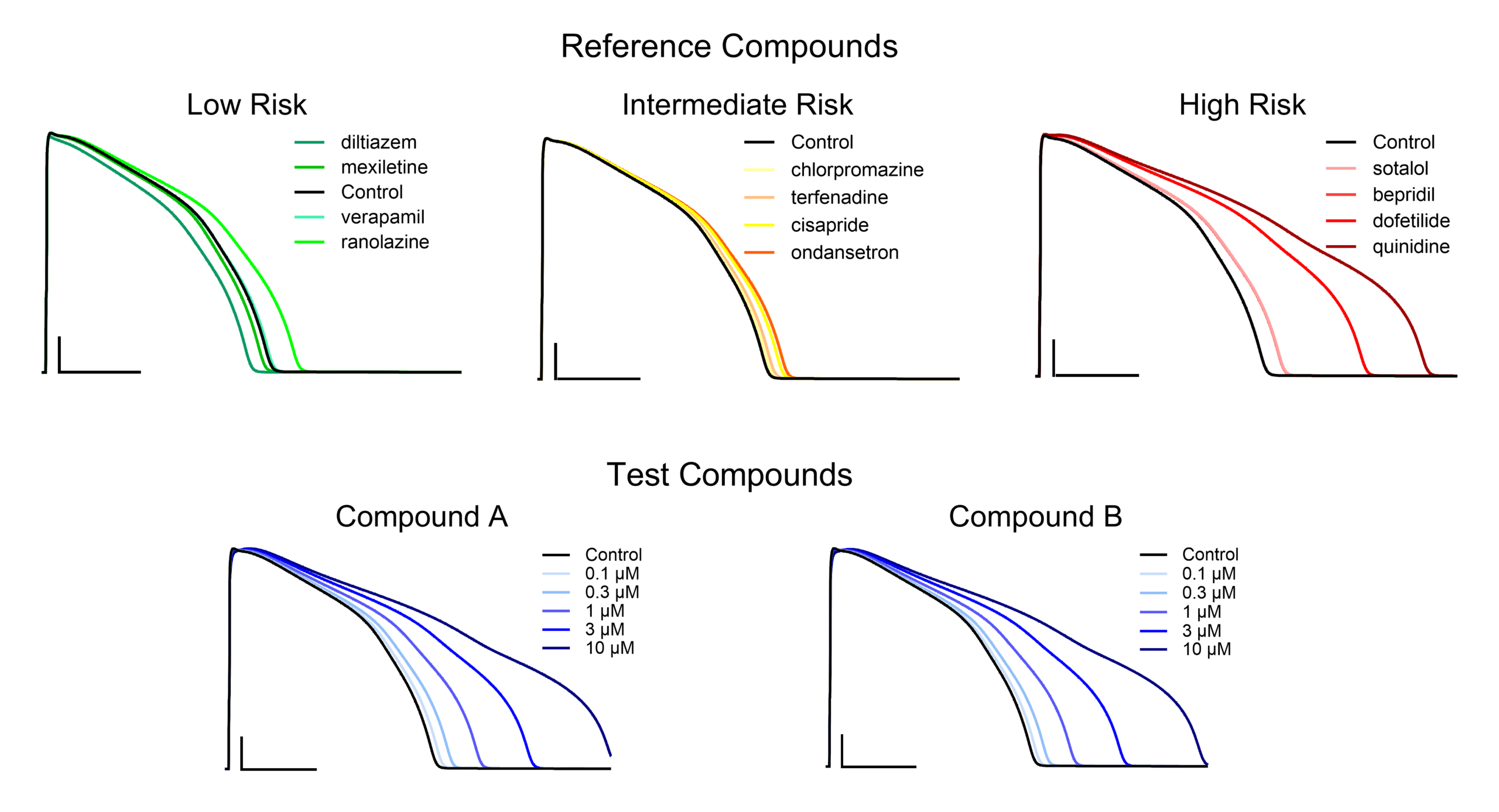
Figure 2. In silico action potential simulations.
Simulated cardiac action potentials using the O’Hara-Rudy model at Cmax (reference compounds) or across concentration ranges (test compounds). Reference compounds from the CiPA training set are grouped by TdP risk: low-risk drugs (green) often show minimal APD prolongation, intermediate-risk drugs (yellow-orange) show moderate prolongation, and high-risk drugs (red) show severe prolongation with delayed repolarization. Test compounds A and B (blue gradient, 0-10 µM)
demonstrate concentration-dependent APD prolongation. Scale bars: 20 mV (vertical), 100 ms (horizontal). Control (no drug) shown in black.
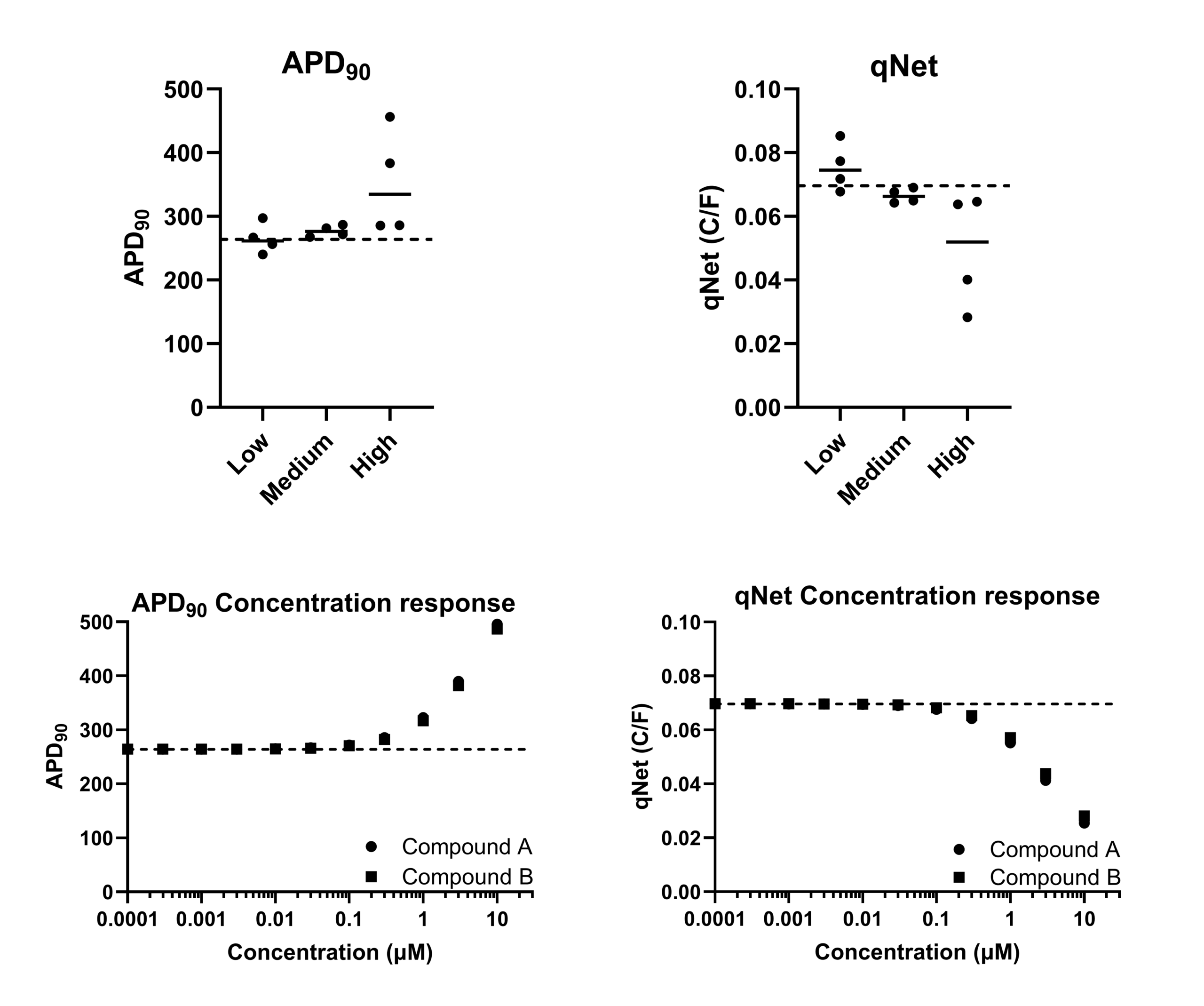
Figure 3. Metrics for TdP risk stratification.
(Top) APD90 and qNet values for the 12 CiPA training compounds at their clinical Cmax, grouped by TdP risk category. Horizontal dashed lines indicate control (no drug) values. qNet shows clearer separation between risk categories than APD90. (Bottom) Concentration-response curves for test Compounds A and B demonstrate progressive APD90 prolongation and qNet reduction, indicating increased TdP risk at higher concentrations. Dashed horizontal lines indicate control (black).
In Silico Cardiac Safety Modelling FAQs
Our In Silico Cardiac Safety Modelling Scientists
Sean Brennan
Dr. Sean Brennan works in the Ion Channel Laboratory and will help with screening services and bridge the gap between electrophysiology laboratory work and advanced analytical approaches. With a PhD researching Kv7 ion channels and extensive postdoctoral experience spanning hERG screening, cardiovascular research, and the development of DeepChannel—an AI-assisted analysis tool—Sean brings deep technical expertise to the team through his diverse academic background combined with commercial evaluation experience through the ICURe Discover programme. Sean is a great team-player who enjoys learning and expanding his knowledge.

Disclaimer
In silico cardiac modelling provides mechanistic risk assessment to complement in vitro and clinical data. Predictions should be interpreted by qualified scientists within the context of integrated drug development. This service is for research use; clinical decision-making requires comprehensive safety evaluation across multiple data types.
Figure attribution:
Figure 1.ion channel picture: channel-membrane-red-2 icon by Servier https://smart.servier.com/ is licensed under CC-BY 3.0 Unported https://creativecommons.org/licenses/by/3.0/