

Nonclinical strategies and considerations to enable the redosing of gene therapies
By Jeffrey S. Moffit et al.
Adeno-associated viral (AAV) gene therapies can provide long-term gene expression, but some patients may need additional doses due to factors like immune responses, insufficient dosing, or waning expression. Currently, systemic AAV therapies can’t be redosed because the immune system targets the viral vector, potentially causing adverse effects. Emerging immune-modifying strategies and new delivery platforms aim to make redosing possible. However, there is still no regulatory guidance on designing nonclinical studies to support repeat administration, which this article seeks to address.

Considerations for use of humanized IgG1/4 Göttingen minipigs in safety assessment of antibody-based therapeutics
By Anna Engstrom et al.
At the 16th Minipig Research Forum in May 2024, a breakout session explored the use of humanized IgG1/4 Göttingen Minipigs (hGMPs) in the safety assessment of therapeutic antibodies. hGMPs have been genetically engineered to express human immunoglobulin components and have shown promise in reflecting human immunogenicity in early studies. While they may serve as an alternative to non-human primates, more data across a wider range of therapeutics is needed to validate their utility. This commentary summarizes key points from the session, including current data gaps, ongoing research, and practical considerations for their use.

A comprehensive review of 20 years of progress in nonclinical QT evaluation and proarrhythmic assessment
By Eric Delpy et al.
This review outlines the evolution of nonclinical methods for assessing drug-induced QT prolongation and proarrhythmic risk, prompted by safety concerns from the 1990s. Key milestones include the establishment of ICH S7B guidelines and the widespread use of hERG assays and telemetry in animals. Newer initiatives like CiPA and JiCSA incorporate human-derived models and computational tools to improve risk prediction. The field is moving toward integrated, ethical, and harmonized approaches that combine nonclinical and clinical data to support regulatory decisions and patient safety.

‘It’s a nightmare.’ U.S. funding cuts threaten academic science jobs at all levels
By Katie Langin
U.S. academic science is facing a major funding crisis, with federal research budgets slashed, grants frozen, and job prospects shrinking for researchers at all levels. Scientists are losing positions due to funding gaps, while young researchers are reconsidering careers in science or looking abroad for stability. Universities are cutting graduate cohorts, scaling back research labs, and even threatening tenured faculty salaries, creating widespread anxiety about the future of academic careers. The crisis risks reversing progress in diversity, reducing international talent, and undermining the U.S.’s global leadership in science.

Evaluating the lifetime cumulative dose as a basis for carcinogenic potency of nitrosamines – a key tenet underpinning less-than-lifetime approaches for establishing acceptable intake limits
By Susan P. Felter et al.
This research investigates whether higher Acceptable Intake (AI) limits for N-nitrosamine (NA) impurities can be justified for less-than-lifetime (LTL) drug exposures, as is done for other mutagenic impurities under ICH M7(R2) guidance. Current regulations do not yet apply this LTL approach to NAs, which are classified as high-potency carcinogens. Analysis of rodent carcinogenicity data for eight NAs and aflatoxin B1 showed that cancer risk correlates with total cumulative dose rather than daily dose. These findings support the rationale for higher AI limits for LTL exposure, with further research to address remaining gaps forthcoming.

NIH announces end to funding for animal-only studies
By Brian Buntz et al.
The NIH has announced it will no longer fund new research proposals that rely solely on animal testing, encouraging the integration of New Approach Methodologies (NAMs) such as AI, computer models, and organ-on-a-chip technologies. This shift reflects growing concerns about the scientific limitations and ethical issues of animal testing, as well as increased support for modern, human-relevant alternatives from both NIH and FDA. While the policy doesn’t ban animal use outright, it challenges the traditional research model and signals a transition that will require coordination, investment, and regulatory adaptation.
FDA Announces Completion of First AI-Assisted Scientific Review Pilot and Aggressive Agency-Wide AI Rollout Timeline
By the FDA
In a landmark move, FDA Commissioner Dr. Martin Makary announced that all FDA centers will implement generative AI tools by June 30, 2025, following a successful pilot that dramatically sped up scientific reviews. The AI technology reduces repetitive tasks, allowing scientists to complete in minutes what previously took days, with the goal of accelerating drug and therapy approvals. Deployment across all centers is already underway, using a secure, unified platform tailored to each center’s needs. The initiative, led by the FDA’s new Chief AI Officer, reflects a shift from discussion to action in modernizing regulatory science through AI.
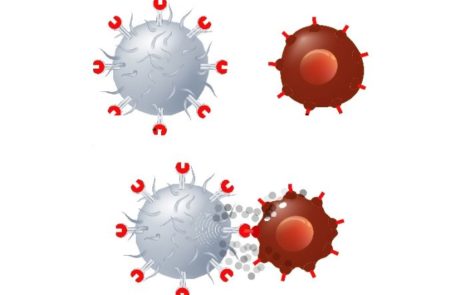
Advancing CAR-based cell therapies for solid tumours: challenges, therapeutic strategies, and perspectives
By Sarkar Sardar Azeez et al.
Chimeric antigen receptor (CAR) cell therapies have shown great success in blood cancers but face major challenges in treating solid tumors due to factors like a hostile tumor microenvironment, antigen diversity, and limited cell persistence. Toxicity, off-target effects, and complex manufacturing further hinder clinical use. Emerging approaches—such as CAR-NK cells, CAR-macrophages, and combination therapies—aim to improve tumor targeting, infiltration, and durability. This review outlines current obstacles and highlights promising strategies to enhance the effectiveness of CAR-cell therapies in solid tumors.
New guideline on inclusion of pregnant and breastfeeding individuals in clinical trials
By the European Medecines Agency
The EMA has released a draft guideline for public consultation that encourages the inclusion of pregnant and breastfeeding individuals in clinical trials to generate robust data for informed treatment decisions. Historically excluded from studies, these populations are often left without clear guidance on medicine use, despite widespread medication use during pregnancy and lactation. The guideline, developed through ICH collaboration, marks a paradigm shift by recommending inclusion in trials where applicable and outlining safety, ethical, and regulatory conditions. It aims to reduce treatment risks and uncertainties by promoting early planning and engagement with regulators.